About Us
Church and Parish Support
Clergy & LLM Support
Episcopal Areas
Vocations
Events
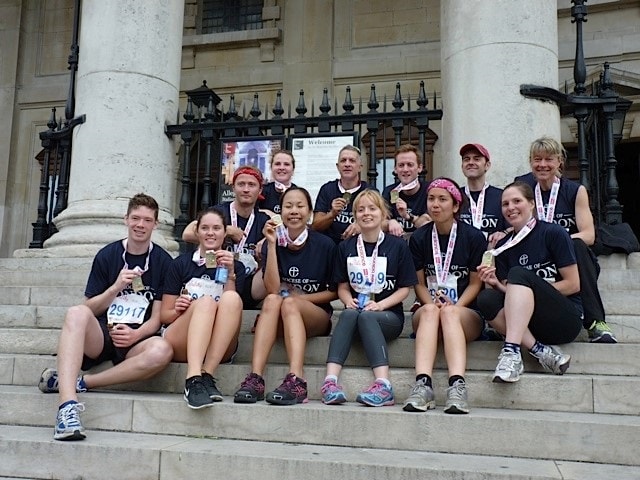
The Bishop of London's Mission Fund has invested 5.3m in London's communities over the last ten years. On 12 July, 24 Runners ran 10km to raise money for the fund that supports youth and children's and family workers with the aim of doubling the number of young people who go to church by 2020.
Looking at life issues with young people and seeing what the Bible says seems a good fit for youth work, but Alex Taylor begs to differ. In fact, he'd outlaw it immediately given the chance.
As adults are chatting over coffee, children make friendships, start to feel at home in the church building and develop useful interpersonal skills. Margaret Pritchard Houston explores this further.
Susy Dand explores some of the benefits of getting more involved in your local school, and explains how you might start a relationship with a secondary school near you.
Children's lives are hectic - school work, after-school clubs, sports - all heap pressure on children to succeed and effect family life. Jonathan Brooks explores Jesus' offer of sanctuary.
Despite having been involved in youth work for years, Alex Taylor has never been on a youth weekend away. Here he explores some of the things that he discovered on his first weekend.
Research suggests that parent/carer and toddler groups are key places to form friendships and faith in churches. Alex Taylor looks at some of the findings to see what kind of impact they can have.
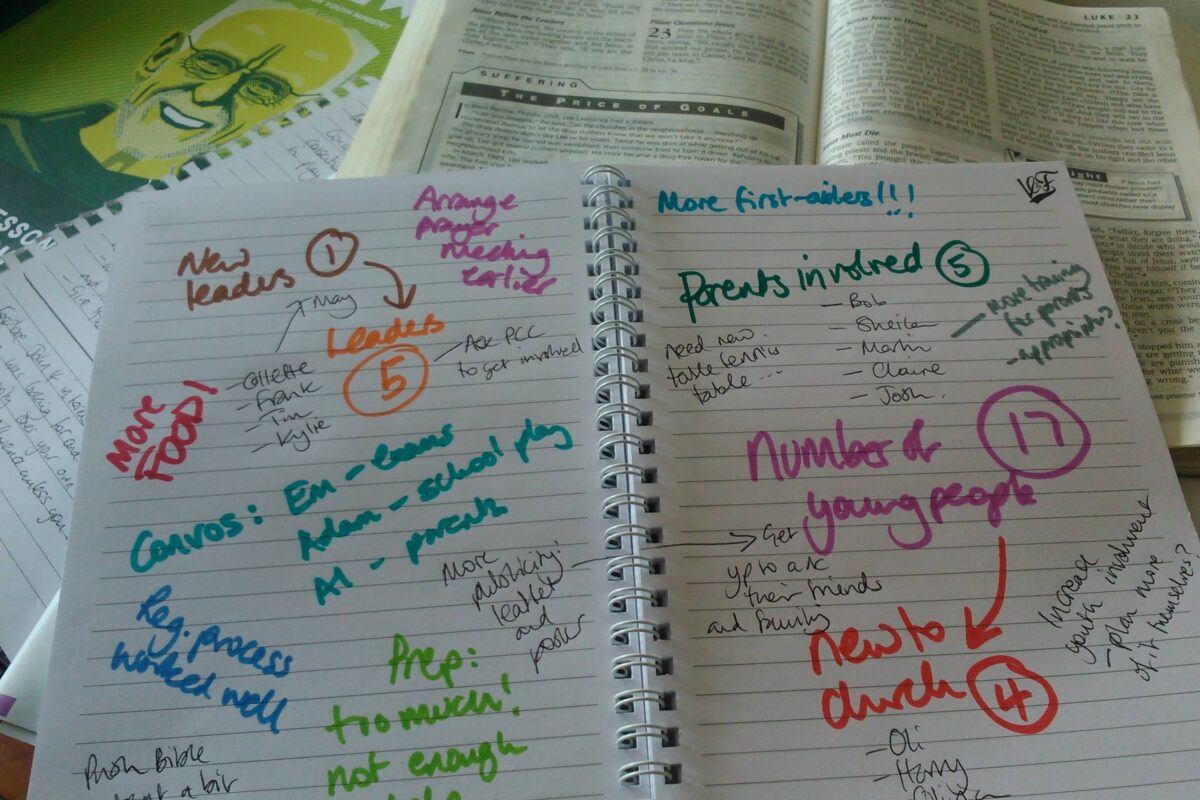
Do we evaluate what we've done in our ministry and think critically about it? Sam Donoghue shares his simple process for reflecting on our practice, to shape ministry through what we have discovered.