About Us
Church and Parish Support
Clergy & LLM Support
Episcopal Areas
Vocations
Events
In these days of smartphones, tablets and PS4s, what value is there in children's fiction with a Christian element? Would children read it, or is it just too last century? Alex Taylor investigates.
Slice your ministry in half. It’s okay. Cut it right through the middle. You’ll see something remarkable.' Becca Willett invites us to look back on our ministry so we can see what God has done.
As the euphoria of summer ebbs away, how can we avoid getting stuck in ruts that have trapped us in previous years? Sam Donoghue explores some useful strategies for coping with things that bug you.
Ali Marshall and Beth Ellison, youth pastors at St Stephen's Twickenham, share their experience and give some in-depth advice on getting the right volunteer leaders… and keeping them.
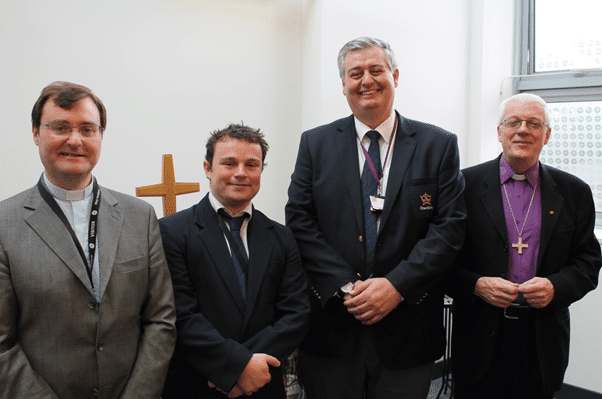
The Rt Revd Pete Broadbent, acting Bishop of Edmonton, has led a service for the licensing of Damien Hine as the Youth and Schools’ Worker at St Paul’s Finchley.
Recruiting volunteers is always difficult. Often a few members of the congregation seem to do most of the work. How can we be more intentional and effective in recruitment of people to serve with us?
The children's and youth blogs are about to take their own little summer holiday, but before they do Sam Donoghue has some final words. (Don't worry, they'll be back in September!)
You might think prayer and schools don’t really go together. But you would be surprised, writes Susy Dand. She explores the potential of prayer spaces in schools.